



Andrew Roman – Appealing the Trans Mountain Decision
 From: Andrew Roman To: The Honourable Jody Wilson-Raybould, Minister of Justice and Attorney General, and The Honourable Amarjeet Sohi, Minister of Natural Resources. Date: September 20, 2018 Re: Appealing the Trans Mountain Decision Following the Federal Court of Appeal’s August 30th decision quashing approval of the Trans Mountain pipeline expansion, the federal government is rightly […]
 Bill Robson on BNN Bloomberg – Weak business investment sours Canada’s economic outlook
Bill Robson, president and CEO of the C.D. Howe Institute, discusses Canadian competitiveness and the reasons why business investment in the country is lagging compared to the U.S.
Grant Bishop – TransMountain: It Can Still Fly
 To: The Hon. Amarjeet Sohi, Minister of Natural Resources, The Hon. Jody Wilson-Raybould, Minister of Justice. From: Grant Bishop Date: August 31, 2018 Re: Moving forward on TransMountain Yesterday’s decision by the Federal Court of Appeal to quash the federal cabinet’s approval of the TransMountain pipeline expansion exacerbates the uncertainty facing investment in major energy […]
 Chi Man Yip – What Do We Learn From British Columbia’s Carbon Tax?
 From: Chi Man Yip To: Hon. George Heyman, British Columbia Minister of Environment and Climate Change Strategy CC: Ministers of Environment and Energy across Canada Re: What do we learn from British Columbia’s carbon tax? Date: August 28, 2018 British Columbia’s carbon tax turned 10 last month. Over that time, the tax, based on greenhouse gas emissions […]
 Peter MacKay – Re-energizing Energy East
 To: Prime Minister Justin Trudeau From: Peter MacKay Date: August 11, 2018 Re: Re-energizing Energy East Lost in the summer haze of the sweltering heat, is one of the largest nation-building job opportunity seen in a generation. The aborted Energy East pipeline project would have been a massive game changer, not just for the Atlantic provinces, but for […]
 Ian Parry – Canada’s Carbon Price Floor: A Model For The World?
 From: Ian Parry To: Governments Signatory to the Paris Accord on Climate Change Date: July 26, 2018 Re: Canada’s Carbon Price Floor: A Model for the World? In October 2016, Prime Minister Justin Trudeau announced a pan-Canadian approach to carbon pricing ensuring that carbon pricing applies across provinces and territories in Canada with increasing stringency over […]
 Benjamin Dachis – Ottawa’s Clean Fuel Standards Still Too Murky
 To: Governments across Canada From: Benjamin Dachis Date: July 23, 2018 Re: Ottawa’s Clean Fuel Standards Still Too Murky Ottawa should clear up confusion about its plans for clean fuel standards. Policymakers must examine the inherent limitations and potential economic costs of a clean fuel standard system. Clean fuel standards (CFS) are an evolution of […]
 Speed Bump Ahead: Ottawa Should Drive Slowly on Clean Fuel Standards
 Ottawa should clear up confusion about its plans for clean fuel standards, according to a new report by the C.D. Howe Institute. In “Speed Bump Ahead: Ottawa Should Drive Slowly on Clean Fuel Standards” author Benjamin Dachis argues federal policymakers must examine the inherent limitations and potential economic costs of a clean fuel standard system.
 Bushnell, Hughes, Smith – Food vs. Fuel? Impacts of Petroleum Shipments on Agricultural Prices
 From: James Bushnell, Jonathan Hughes and Aaron Smith To: Regulators and users of the Western Canadian rail network Date: July 3, 2018 Re: Food vs. Fuel? Impacts of Petroleum Shipments on Agricultural Prices The shale revolution generated tremendous changes in both the volume and geographical distribution of oil production. The rapid increase of gas and oil […]
 Schwanen, Dachis – Federal carbon pricing backstop can reduce the litigation costs of cap-and-trade phaseout
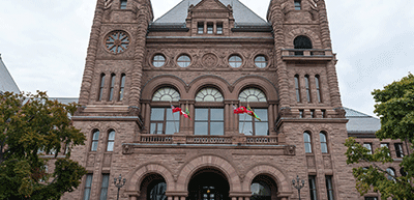 From: Daniel Schwanen and Benjamin Dachis To: The Hon. Catherine McKenna, Minister of Environment and Climate Change Canada CC: Ontario Premier-designate Doug Ford Date: June 28, 2018 Subject: Federal carbon pricing backstop can reduce the litigation costs of cap-and-trade phaseout On June 15, Ontario’s Premier-designate Doug Ford announced that his government’s first act upon taking […]
 Tracy Snoddon – How the Federal Government Should Prepare its Carbon Tax
 From: Tracy Snoddon To: Catherine McKenna, Minister of Environment and Climate Change Date: June 25, 2018 Re: How the Federal Government Should Prepare its Carbon Tax The election of Doug Ford and his Ontario Conservatives brings, among other matters, renewed focus on the federal government’s looming requirement that all provinces impose some version of a […]
 Benjamin Dachis – Seven Ways to Really Reduce the Cost of Electricity
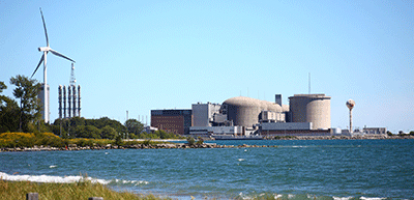 From: Benjamin Dachis To: Ontario electricity consumers Re: Seven ways to really reduce the cost of electricity Date: June 4, 2018 There’s been lots of talk about cutting electricity costs for Ontario consumers this election, without a lot of specific ideas. Here are seven tangible ways that a new or re-elected government can cut the […]