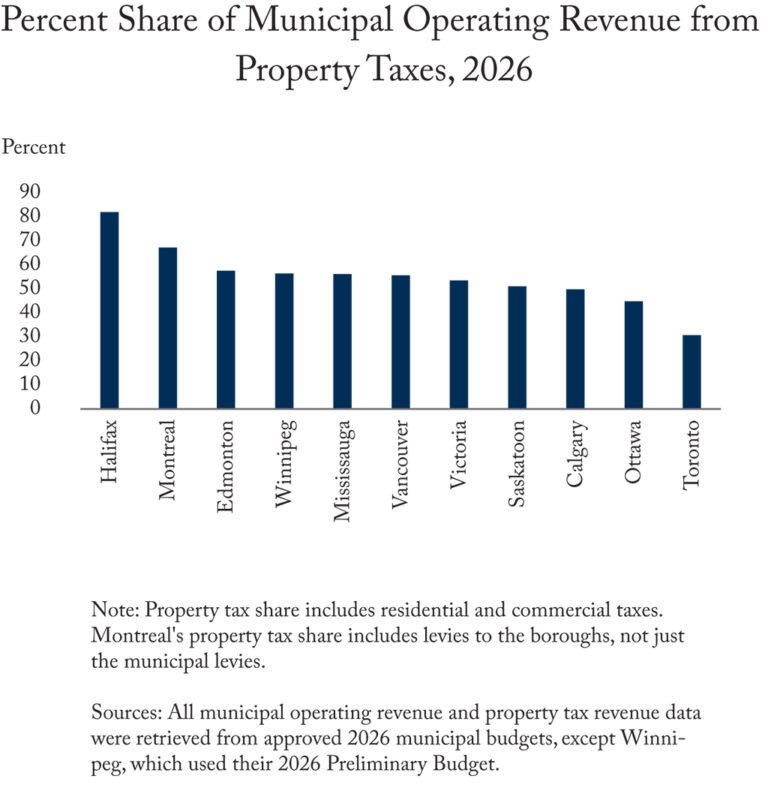
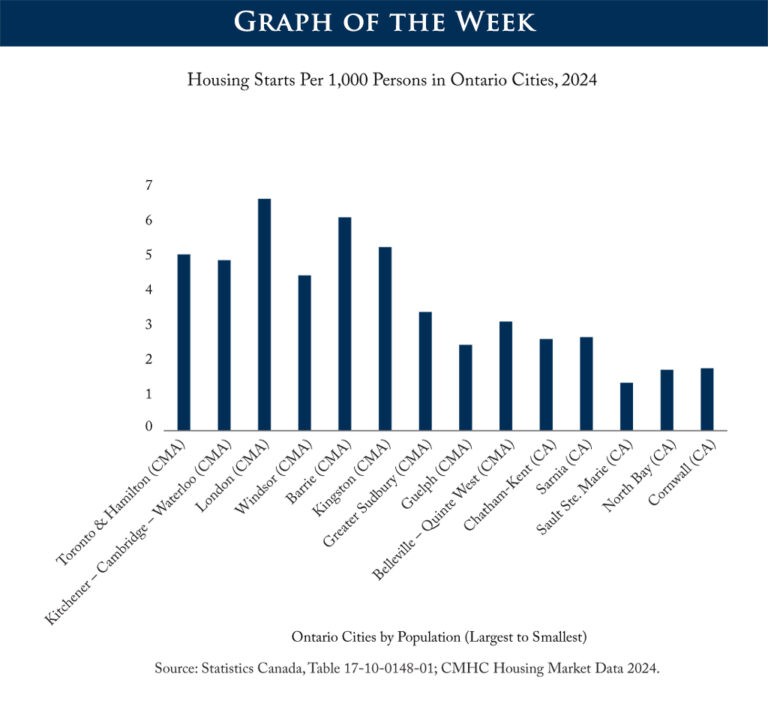
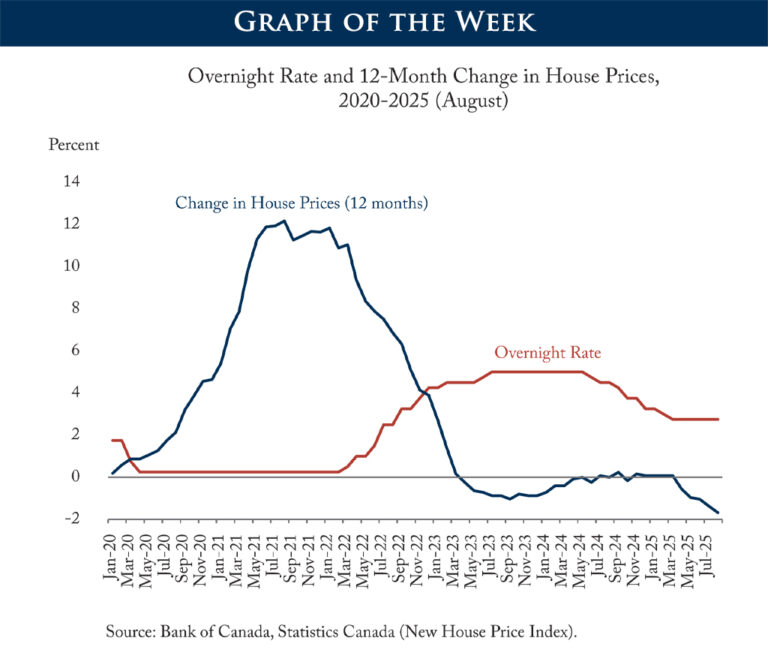
Year-over-year shelter inflation fell to 1.7 percent in January 2026 – the first reading below the Bank of Canada’s 2 percent target since early 2021. Disaggregating shelter inflation reveals that the recent disinflation is largely driven by a slowdown in owned accommodation price growth, reflecting lower mortgage interest costs following rate cuts by the Bank of Canada and broader market uncertainty. Rented accommodation price growth – which tends to be more volatile and is driven more by supply than by direct interest-rate effects – remains above 4 percent. As the C.D. Howe Institute’s Housing Policy Working Group recently concluded, development charges, weak municipal financing, and fragmented coordination constrain supply, meaning once the rate-cut effect fades shelter inflation could rebound without stronger efforts to encourage supply.