



William B.P. Robson – Toronto’s Annual Budget Panic Ignores Its Surplus
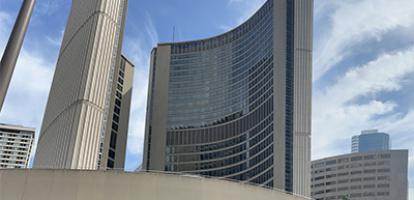 From: William B.P. Robson To: Toronto budget watchers Date: January 23, 2024 Re: Toronto’s Annual Budget Panic Ignores Its Surplus The annual panic over the City of Toronto budget is peaking. The 2024 version stands out in a bad way, with a double-digit tax increase proposed for homeowners and many businesses. Yet much of the ritual is familiar. […]
 Laurin, Dahir – Charities Fall Victim to Federal Tax-the-Rich Plan
 To: The Hon. Chrystia Freeland, Minister of Finance From: Alexandre Laurin and Nicholas Dahir Date: January 8, 2024 Re: Charities Fall Victim to Federal Tax-the-Rich Plan The end of 2023 last week marked the likely end of full tax relief for some charitable giving. The federal government has yet to table its legislation for reforming the alternative minimum […]
 Ottawa’s move to tax the rich more will backfire on charities – Globe and Mail
‘Tis the season for giving, and as the year ends, many Canadians are planning substantial donations. However, they should consider maximizing those donations in 2023 while full tax relief for charitable giving is still guaranteed. The federal government has yet to table its legislation for reforming the alternative minimum tax (AMT), but if it sticks to its commitments laid out in the 2023 budget, tax relief for charitable giving will be curtailed for some high-income filers in 2024.
Donating to charities can lower our taxes. The charitable tax credit lowers taxes by about half of the amount of donations in excess of $200. And, donated accrued capital gains from gifts of publicly listed securities are exempted from taxable income…
Freeland’s new hidden tax on everything and everyone – Financial Post
Tucked into the 500-page Notice of Ways and Means Motion Finance Minister Chrystia Freeland released last month is an insidious measure that urgently needs to be withdrawn. First announced as part of Budget 2023, it imposes an additional $3 billion of federal income tax on “financial institutions” over the next five years. We all know how popular financial institutions are. A tax imposed on big banks and insurance companies will appeal to many people. But who really will pay this tax is: everyone — despite the government’s cynical attempt to try to convince us all that someone else will ultimately bear its burden.
It is a fundamental principle of Canadian income taxation that corporate profits should be taxed…
Drummond, Robson – Grading the Fall Federal Economic Statement
 From: Don Drummond and William B.P. Robson To: Canadian fiscal observers Date: December 8, 2023 Re: Grading the Fall Federal Economic Statement Before the release of the federal 2023 Fall Economic Statement, we laid out a framework for grading it. We hoped for transparency about the government’s finances, frankness about the economic and fiscal challenges, and a halt to populist tax measures. […]
 Double the Pain: How Inflation Increases Tax Burdens with Bill Robson and Alex Laurin
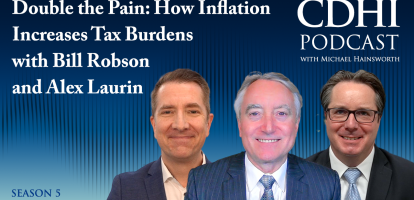
Inflation acts as an additional tax on Canadians, and when inflation is high, the pain is exacerbated. So what’s the solution? Host Michael Hainsworth speaks to C.D. Howe Institute CEO Bill Robson and Director of Research Alexandre Laurin to understand how Ottawa can ease the pain no matter the inflation rate.
William B.P Robson – Ottawa’s Unserious Fiscal Policy Rolls On
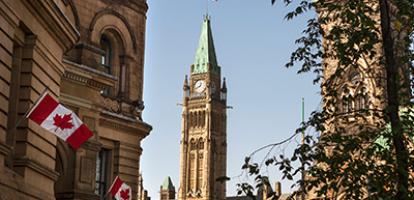 From: William B.P. Robson To: Fiscal observers Date: November 30, 2023 Re: Ottawa’s Unserious Fiscal Policy Rolls On The 2015 federal election heralded a new approach to federal fiscal policy. Serious was out. Spending only as much as revenue would cover was not cool. Unserious was in. Deficits were the new thing. That was inevitable during the pandemic. For […]
 Lawrence Herman – Canada’s Digital Tax Ship Still Sails Even as Rollout is Delayed
 From: Lawrence Herman To: Canadian trade observers Date: November 28, 2023 Re: Canada’s Digital Tax Ship Still Sails Even as Rollout is Delayed The Fall Economic Statement confirmed the federal government’s intention to eventually proceed with its Digital Services Tax (DST), a measure proposed back in 2020, even as it postponed its January 1 implementation. Under the proposal, Ottawa […]
 Fall Economic Statement gets a D. Re-write needed before March – Financial Post
Before the release of the federal 2023 Fall Economic Statement, we laid out a framework for grading it. We hoped for transparency about the government’s finances, frankness about the economic and fiscal challenges, and a halt to populist tax measures. Sadly, the Statement presented by Finance Minister Chrystia Freeland falls short — often far short — on all these priorities.
Our overall grade for the 2023 Fall Statement is a D. It puts dozens of pages of political messaging ahead of the key numbers, avoids the serious challenges that require major shifts in policy and prefigures more of the same fiscal measures that have led to our current plight.
Our grading framework started with a simple request: Cut…
Canada’s worst fiscal crisis in generations is brewing – Full Comment
The financial trouble the Trudeau Liberals have put Canada in looks disturbingly unlike previous debt and deficit hangovers, as William Robson tells Brian Lilley this week. The losses Ottawa has pushed onto the Bank of Canada are choking off desperately needed income, explains Robson, president and CEO of the C.D. Howe Institute. Wages are losing […]Capital Gains and Charitable Donations: The Silent Targets of Federal AMT Reforms
 This E-Brief analyzes the expected fiscal and behavioural consequences of the significant reforms proposed for the Alternative Minimum Tax (AMT) in the 2023 federal budget. The 2023 budget asserts that the “AMT will more precisely target the very wealthy.” Our findings indicate that the new AMT regime will primarily fall on individuals who report occasional […]
 Canada’s fall economic statement spending proves Ottawa is unserious about public finances – Globe and Mail
The 2015 federal election heralded a new approach to federal fiscal policy. Serious was out. Spending only as much as revenue would cover was not cool. Unserious was in. Deficits were the new thing.
That was inevitable during the pandemic. For a time, the government could reasonably claim that hundreds of billions of debt-financed spending were needed responses to sickness and lockdowns.
But the COVID measures are behind us. The 2023 fall economic statement from Finance Minister Chrystia Freeland on Tuesday underlines that the federal government is not serious about managing our money. Yet again, the update has revealed previous fiscal projections as meaningless, with tens of billions of new spending layered on…