


Marcel Boyer – Why the Cost of Government Borrowing is Higher Than it Looks, and the Implications for Infrastructure
 From: Marcel Boyer To: Federal and Provincial Ministers of Finance Date: March 20, 2017 Re: Why the Cost of Government Borrowing Is Higher Than it Looks, and the Implications for Infrastructure Canada’s infrastructure gap is somewhere between $150 billion and $1 trillion, and federal, provincial, and municipal governments have committed to spend hundreds of billions in […]
Laurin and Thivierge – Capital Gains Widely Enjoyed, Not Just by Top Earners
 From: Vincent Thivierge and Alex Laurin To: The Honourable Bill Morneau, Minister of Finance Date: March 17, 2017 Re: Capital Gains Widely Enjoyed, Not Just by Top Earners Rumours abound that Ottawa may be considering changes to the tax treatment of capital gains (and possibly dividends) in the next federal budget. An option that seems […]
Wyonch, Robson & Laurin – Redressing Canada’s Tax Disadvantage In The Digital Economy
 From: Rosalie Wyonch, Bill Robson, and Alex Laurin To: The Honourable Bill Morneau, Minister of Finance Date: March 9, 2017 Re: Redressing Canada’s Tax Disadvantage in the Digital Economy The Internet is revolutionizing how people access entertainment, order taxis, find accommodations, shop and meet each other. In many cases, consumers can buy these services from […]
Wyonch, Robson & Laurin – Canada Needs Competitive Personal Income Taxes
 From: Rosalie Wyonch, Bill Robson, and Alex Laurin To: The Hon. Bill Morneau, Federal Minister of Finance Date: March 6, 2017 Re: Canada Needs Competitive Personal Income Taxes High personal taxes already disadvantage Canada in the competition for global talent. If the new U.S. administration delivers on its promise of lower personal income taxes, Canada’s […]
Wyonch, Robson & Laurin – Why the Small Business Deduction Should be a Young Business Deduction
 From: Rosalie Wyonch, Bill Robson, and Alex Laurin To: The Honourable Bill Morneau, Minister of Finance Date: February 28, 2017 Re: Why the Small Business Deduction Should be a Young Business Deduction The federal corporate income tax provides a small business deduction that taxes the first $500,000 in active business income of Canadian-controlled private corporations […]
Bill Robson on Bloomberg: C.D. Howe on Budget: Transfers to Provinces Is “A Bottomless Pit”
Bill Robson, President & CEO of C.D. Howe Institute joins Bloomberg TV Canada’s Lily Jamali to discuss his recommendations to the federal government ahead of the 2017 budget.
Getting Real: A Shadow Federal Budget for 2017
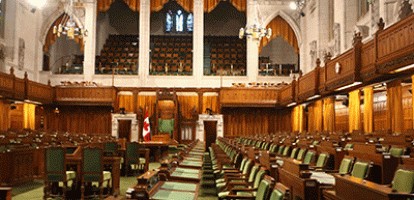 Ottawa should set out a path back toward balance to inspire confidence among savers and investors, says the C.D. Howe Institute’s annual Shadow Federal Budget. In “Getting Real: A Shadow Federal Budget for 2017,” authors William B. P. Robson, Alexandre Laurin and Rosalie Wyonch show how the federal government can cut the deficit while boosting […]
Hidden Spending: The Fiscal Impact of Federal Tax Concessions
 More than $16 billion of annual “tax expenditures” never show up on the federal government’s books, according to a new report from the C.D. Howe Institute. In “Hidden Spending: The Fiscal Impact of Federal Tax Concessions,” authors William B. P. Robson and Alexandre Laurin tally transfers delivered through the tax system that Ottawa should report […]
Paying for Pipelines – How Consumers Can End Up Footing Some of the Bill: CBC News
“My Region First!”
It’s a rallying cry we’re hearing more these days, as regionalism becomes more a part of public policy.
The B.C. government recently approved the Trans Mountain pipeline that will haul Alberta oil to port. And it did so after squeezing up to a cool billion dollars out of Kinder Morgan — money which will go into an environmental protection fund.
Sounds good. Alberta gets an economic boost, B.C. gets a share of the spoils and some environmental help, and Kinder Morgan foots the bill. Or does it?
Things aren’t always how they appear. More often than not, the person who has to cut the cheque is not the one who ends up paying.
So who does? It’s a complex question.
But in…
Enduring Virtues: Saving and Investing as National Priorities in 2017
 Sagging national saving, undermined by government deficits, threaten Canada’s future economic prosperity, according to a new report from the C.D. Howe Institute. In “Enduring Virtues: Saving and Investing as National Priorities in 2017,” author William B.P. Robson, President and CEO of the C.D. Howe Institute, underlines the importance of saving and investment in economic growth, […]
Business Tax Burdens in Canada’s Major Cities: The 2016 Report Card
 Calgary is increasingly lagging behind Saskatoon, which has the most competitive overall business tax environment among the largest cities in each Canadian province, according to a new C.D. Howe Institute report. In “Business Tax Burdens in Canada’s Major Cities: The 2016 Report Card,” authors Adam Found and Peter Tomlinson rate the largest cities in each […]
What do the Different Measures of GDP Tell Us?
 How one views GDP has important implications for policymaking, states a new working paper from the C.D. Howe Institute. In “What do the Different Measures of GDP Tell Us?”, author Phillip Cross examines how total GDP can be conceptualized, dissected and studied and how these improve our analysis and understanding of the sources of economic growth.